All Categories
Featured
Disaster Resilience Planning for Los Angeles Business Dis...
Evaluating Legacy Versus Sustainable Maintenance Standards
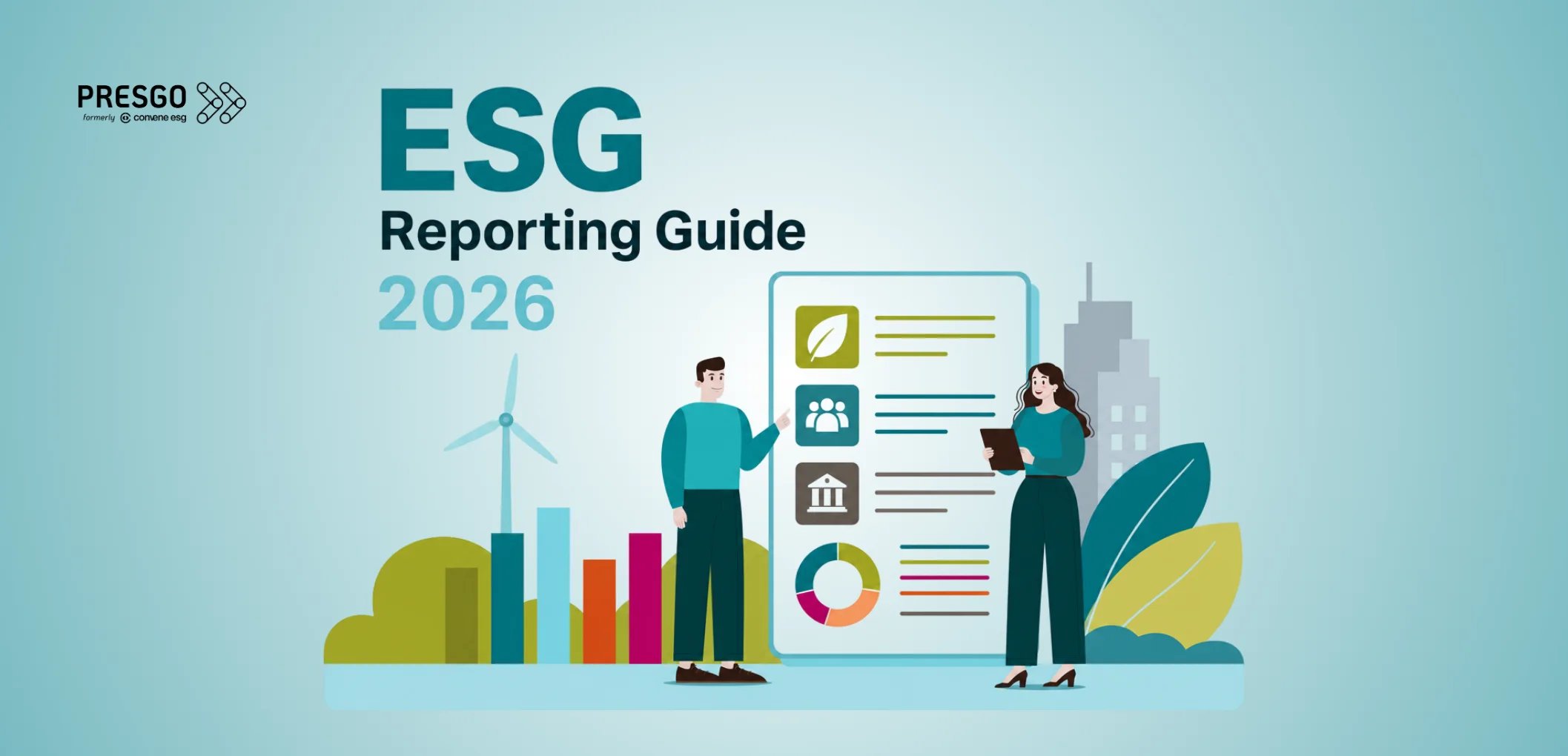

Ways to Reach 2026 ESG Goals
Expanding disclosure requirements and financier examination are requiring organisations to standardise how sustainability information is collected and reported. 57% state financier expectations are the main driver of ESG strategy55% state regulation is a key influence on sustainability strategy58% of investors prioritise regulation-aligned ESG dataThe variety of countries with obligatory ESG disclosure requirements is expected to double1170% of supply chain specialists anticipate increased ESG openness demands11There are over 7,000 environment laws, policies and UNFCCC submissions9Regulation and investor expectations are now defining the standard for how ESG data is collected, structured, and divulged, and sustainable investing is here to remain.
Commercial Landscaping El MonteLots of organisations do not have constant methods, centralised systems, and trustworthy procedures for gathering and confirming sustainability information. This creates substantial barriers to audit-ready reporting and financier self-confidence. 47% of investors mention ESG information coverage spaces as their biggest challenge41% report information quality issues, and 40% highlight inconsistencies throughout providers76% of executives cite data quality as a leading ESG reporting challenge60% of financing leaders struggle with fragmented ESG information across systemsOnly around 20% of financing groups presently report on ESG metricsLess than 30% of organisations feel positive in the accuracy of their ESG dataThe constraint is no longer awareness, but the capability to produce constant, audit-ready sustainability data.

Latest Posts

Disaster Resilience Planning for Los Angeles Business Districts
Ways to Reach 2026 ESG Goals
Evaluating Legacy Versus Sustainable Maintenance Standards